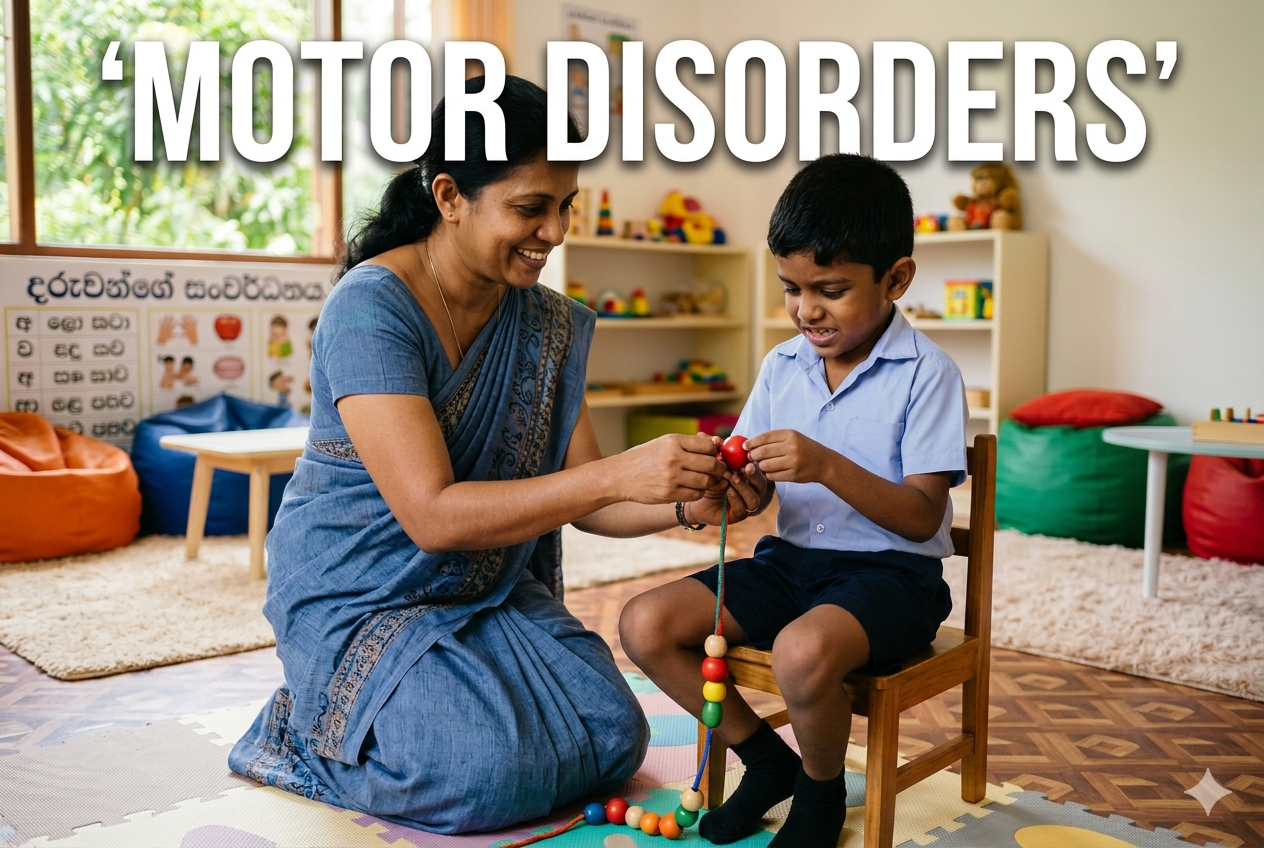
When a child struggles to tie their shoes, repeatedly drops objects, or makes sudden, uncontrollable movements, parents and educators often wonder what is going on. Sometimes, these aren't signs of carelessness or "just a phase"—they may be symptoms of a Motor Disorder.
As neurodevelopmental conditions, motor disorders affect a person’s ability to control their body movements. Understanding these conditions early is crucial for getting the right support.
In this comprehensive guide, we will break down what motor disorders are, their primary types, how to spot the symptoms, and the pathways to management.
What is a Motor Disorder?
A motor disorder is a neurological condition that impairs the nervous system's ability to develop, control, and coordinate physical movements. According to the Diagnostic and Statistical Manual of Mental Disorders (DSM-5), these disorders typically manifest early in childhood and can persist into adulthood if left unaddressed.
It is important to understand that motor disorders are neurodevelopmental. This means they stem from how the brain and nervous system grow and communicate with muscles—it is not a reflection of a child's intelligence or willingness to cooperate.
The 3 Main Types of Motor Disorders
The DSM-5 classifies motor disorders into three primary categories, each affecting physical movement and coordination differently:
1. Developmental Coordination Disorder (DCD)
Often historically referred to as "clumsy child syndrome," DCD makes it incredibly difficult for individuals to learn and execute motor skills.
- Fine Motor Challenges: Difficulty writing, using scissors, buttoning shirts, or tying shoelaces.
- Gross Motor Challenges: Frequent tripping, bumping into objects, or struggling to ride a bike or catch a ball.
2. Stereotypic Movement Disorder
This condition involves repetitive, driven, and seemingly purposeless physical movements. These movements often last for several seconds or minutes and can interfere with social, academic, or daily activities.
- Common Behaviors: Body rocking, hand waving or flicking, head banging, and biting oneself.
- Note: In severe cases, these movements can cause self-injury, requiring immediate behavioral intervention.
3. Tic Disorders (Including Tourette’s Disorder)
Tics are sudden, rapid, recurrent, and non-rhythmic motor movements or vocalizations. They are involuntary, meaning the person feels an irresistible urge to perform them.
- Motor Tics: Rapid eye blinking, facial grimacing, shoulder shrugging, or head jerking.
- Vocal Tics: Throat clearing, grunting, sniffing, or repeating words.
- Tourette’s Disorder: Diagnosed when an individual experiences both multiple motor tics and at least one vocal tic for more than a year.
Signs and Symptoms to Look For
Symptoms vary wildly depending on the specific type of disorder and the age of the individual. However, common red flags that warrant a professional evaluation include:
- Delays in reaching movement milestones (sitting up, crawling, walking).
- Marked awkwardness or clumsiness compared to peers of the same age.
- Inability to sit still or perform repetitive tasks without involuntary jerking or twitching.
- Physical movements that cause self-harm or social isolation.
What Causes Motor Disorders?
While the exact root causes are still being researched, science points to a combination of genetic and environmental factors:
Risk FactorDescriptionGeneticsA family history of neurodevelopmental conditions or movement tics increases likelihood.Brain ChemistryDisrupted communication in the basal ganglia—the brain region responsible for smooth movement control.Prenatal FactorsPremature birth, low birth weight, or maternal exposure to alcohol/toxins during pregnancy.
How Are Motor Disorders Managed?
There is no "one-size-fits-all" cure for motor disorders, but early intervention drastically improves a person’s quality of life and independence. A multidisciplinary approach usually yields the best results:
1.Professional Diagnosis:Step 1.Consult a pediatric neurologist, child psychologist, or developmental pediatrician to accurately isolate the specific disorder.
2.Targeted Therapies:Step 2.Engage in Occupational Therapy (OT) for fine motor skills and Physical Therapy (PT) to improve strength, posture, and balance.
3.Behavioral Interventions:Step 3.Utilize Comprehensive Behavioral Intervention for Tics (CBIT) or Habit Reversal Therapy to help manage and minimize involuntary movements.
4.Medical Management:Step 4 (If needed).In severe cases where tics or movements cause pain or intense social distress, a physician may prescribe specific medications to help regulate brain chemistry.
The Importance of Empathy and Support
Living with a motor disorder can be incredibly frustrating. Children are often fully aware that their bodies aren't cooperating the way they want them to, which can lead to anxiety, low self-esteem, or school bullying.
Creating an inclusive environment at home and school—focused on patience rather than criticism—is just as vital as any medical therapy. With the right tools and early support, individuals with motor disorders can lead deeply fulfilling, independent, and successful lives.