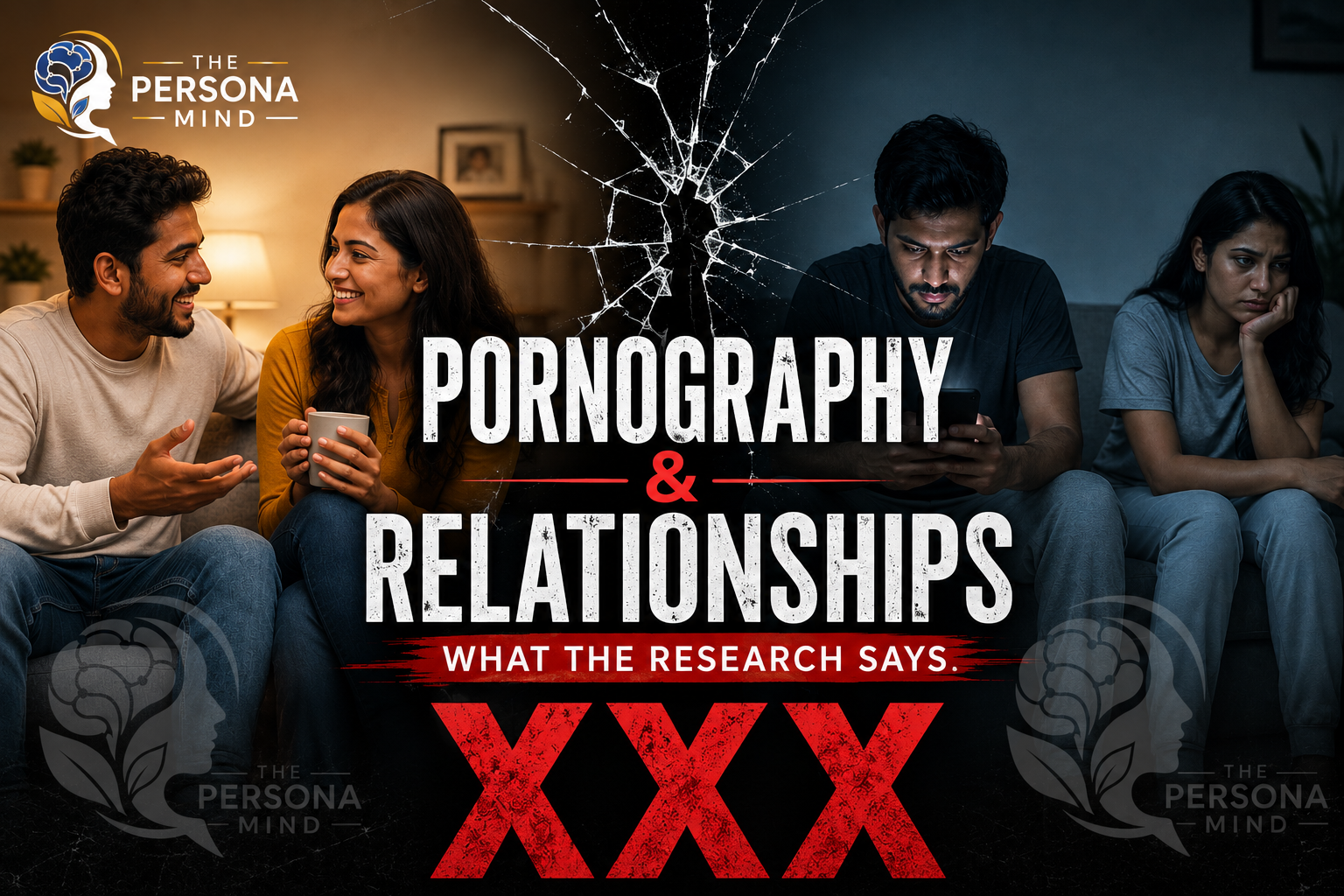
Psychological Effects on Mental Health and Relationships
Introduction
Sri Lanka has seen a dramatic rise in smartphone and internet access over the past decade, and with it, easier and more private access to online pornography. While conversations about this topic remain culturally sensitive and often taboo in Sri Lankan households, the psychological consequences are very real — and increasingly documented by researchers worldwide. This article looks at what the science says about pornography's effects on mental health and relationships, and what support is available locally for anyone struggling with these issues.
Why This Conversation Matters in Sri Lanka
Sri Lanka's conservative social and religious culture often means pornography use is shrouded in silence, guilt, and shame. This silence can make it harder for people — particularly young adults and students — to recognize when their habits have become a problem, or to seek help without fear of judgment. Understanding the psychological research behind pornography consumption is the first step toward healthier awareness, whether the goal is personal insight, supporting a partner, or guiding a child or student.
What the Research Says About Pornography and Mental Health
1. Anxiety, Depression, and Mood DisturbancesA growing body of research connects compulsive or problematic pornography use with negative mental health outcomes. Research links problematic pornography use to cravings, anxiety, depression, erectile dysfunction, and disruptions in real-life intimacy, even though it is not officially recognized as a disorder in diagnostic manuals like the DSM-5. Similarly, studies have found connections between pornography addiction and mental health issues like anxiety, depression, and stress among young adults. eCare Behavioral Institutenih
For many people, the cycle looks familiar: stress or loneliness leads to pornography use as a coping mechanism, which is then followed by guilt or shame — which in turn feeds further anxiety and low mood.
Emerging neuroscience research suggests that heavy pornography use can affect the brain in ways that resemble patterns seen in substance addiction. Studies show that internet pornography addiction can affect brain functional connectivity in the prefrontal lobe, with characteristics similar to those seen in drug addiction. Over time, frequent viewers may report stronger cravings and heightened arousal responses, which can negatively affect their broader cognition and emotional regulation. FrontiersFrontiers
Some researchers also note that pornography use may function as a coping mechanism against excessive stress for some individuals, which can make the habit feel harder to break, especially without addressing the underlying stressor. Frontiers
Because pornography use is heavily stigmatized in many Sri Lankan communities — shaped by religious values across Buddhist, Hindu, Christian, and Muslim traditions — the emotional aftermath can be intense. Persistent consumption of explicit material has been linked to lowered self-esteem and feelings of guilt, shame, or anxiety, in addition to its effects on relationships. This "shame spiral" is one of the more damaging psychological patterns associated with problematic use, often doing more harm to mental wellbeing than the behavior itself. nih
It's worth noting that pornography addiction isn't officially classified as a distinct mental health disorder. However, surveys show roughly 11% of men and 3% of women believe they are addicted to pornography, with smaller percentages strongly agreeing with that self-assessment. This suggests that while true clinical addiction may be less common than people assume, subjective distress and self-perceived loss of control are widespread — and that distress alone is worth taking seriously. eCare Behavioral Institute
The Impact on Relationships
Pornography doesn't just affect the individual — it often ripples outward into romantic relationships and marriages, which carries particular weight in Sri Lanka's family-oriented culture.
Common relationship effects reported in research and clinical literature include:
- Reduced intimacy and connection — Couples may find that real-life physical and emotional intimacy feels less satisfying compared to curated, unrealistic on-screen content.
- Distorted expectations — Pornography often depicts unrealistic bodies, behaviors, and scenarios, which can create mismatched expectations between partners.
- Trust issues — Discovering a partner's pornography use, especially if hidden, can damage trust — an issue that's often amplified in Sri Lankan relationships where the topic is rarely discussed openly beforehand.
- Communication breakdown — Couples frequently avoid the topic entirely due to embarrassment, leading to unresolved tension rather than resolution.
- Sexual dysfunction — Multiple studies point to associations between frequent pornography use and sexual difficulties, including reduced satisfaction in real-life sexual encounters. Research has linked porn addiction to erectile dysfunction and eroded real-life sexual activity and intimacy. eCare Behavioral Institute
It's important to note that occasional or moderate use affects couples very differently than compulsive, secretive use — the psychological harm tends to scale with the loss of control and the secrecy surrounding it, rather than the behavior existing at all.
Risk Factors That May Be Especially Relevant in Sri Lanka
- Limited sex education — Without comprehensive, age-appropriate education, pornography often becomes a primary (and misleading) source of information for young people about sex and relationships.
- Cultural stigma and silence — The inability to discuss the topic openly with parents, partners, or professionals can make it harder to identify problematic patterns early.
- High smartphone and data affordability — Increased digital access means content is more available, more private, and easier to consume compulsively than in previous generations.
- Economic stress and uncertainty — Ongoing financial pressures can increase reliance on pornography as an escape or coping mechanism, echoing patterns seen with rising mental health concerns nationally following recent economic hardship.
Signs Your Relationship With Pornography May Be Unhealthy
- You feel unable to stop despite wanting to
- You're using it to escape stress, loneliness, or boredom rather than for pleasure
- It's affecting your sleep, work, studies, or daily responsibilities
- You feel persistent guilt, shame, or secrecy around your use
- It's created distance, dishonesty, or conflict in your relationship
- Real-life intimacy feels less appealing or satisfying by comparison
If several of these resonate with you, it may be worth speaking to a mental health professional — not because pornography use itself is shameful, but because compulsive patterns and their emotional toll deserve proper support.
Getting Support in Sri Lanka
Because of the stigma surrounding this topic, many Sri Lankans don't know where to turn. Fortunately, there are confidential resources available:
- 1926 – National Mental Health Helpline (NIMH): Free, 24/7 phone and text/WhatsApp support (075 555 1926)
- 1333 – CCC Line: Toll-free national helpline offering emotional support and referrals
- Sri Lanka Sumithrayo: Confidential emotional support — +94 707 308 308
- 1375 – Lanka Life Line
- Licensed online therapy platforms serving Sri Lankans in Sinhala, Tamil, and English, offering private, judgment-free counseling for individuals and couples
Speaking with a licensed counselor or psychiatrist — rather than relying solely on self-help — is particularly valuable when compulsive use is intertwined with anxiety, depression, or relationship conflict.
Moving Toward Healthier Habits
For individuals concerned about their own habits, evidence-based approaches such as Cognitive Behavioral Therapy (CBT) have shown effectiveness in addressing compulsive pornography use and the anxiety or shame that often accompanies it. For couples, open and honest communication — ideally with the support of a couples counselor — can help rebuild trust and set shared expectations.
Rather than approaching the topic with shame or moral panic, a more constructive framing focuses on awareness, honesty, and balance — recognizing that occasional use affects people very differently than compulsive, secretive patterns tied to genuine distress.
Conclusion
Pornography consumption is a global phenomenon, and Sri Lanka is no exception — but the cultural silence around it can make its psychological and relational effects harder to recognize and address. Whether you're personally concerned about your own habits, supporting a partner, or simply seeking to understand the research, know that confidential help is available locally, and that struggling with this issue is far more common — and far more treatable — than stigma might suggest.
This article is for informational purposes only and is not a substitute for professional psychological or medical advice. If you or someone you know is struggling with mental health, please reach out to the National Mental Health Helpline (1926) or a licensed counselor.